
Why we review on paper first
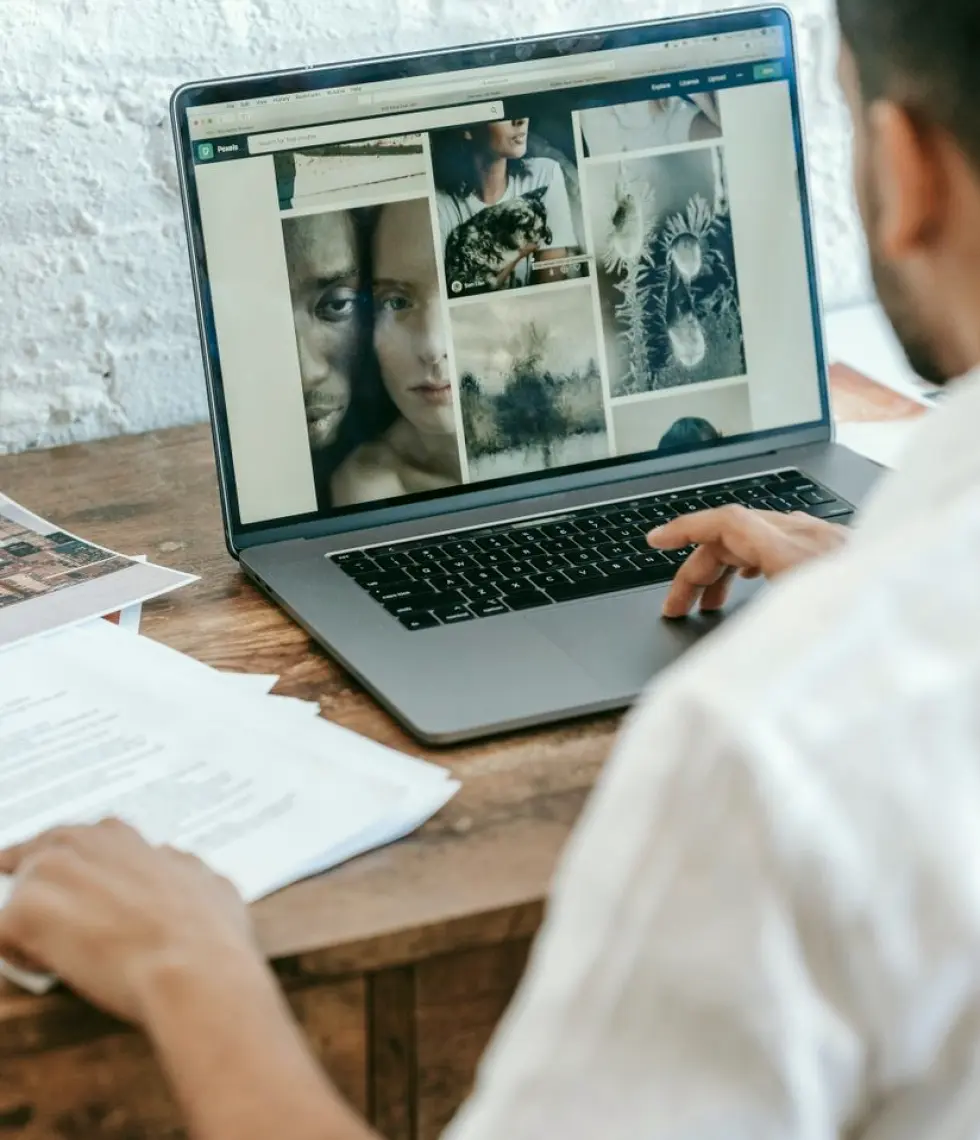
When a reader sends us a portfolio, the first thing we do is print it. A screen flatters almost everything: it glows, it scrolls quickly, and it hides the weak frames among the strong ones. Paper slows the eye down. A set of twelve prints on a table shows at once which pictures belong together and which are only there because they were liked at the time.
We use ordinary matte stock in a modest size, large enough to see faces and edges, small enough to move around with one hand. Nothing about it is precious, and that is the point. Readers are often surprised that we mark nothing on the prints themselves. Any notes go on separate cards, so the photographs stay as the maker intended them and can be rearranged freely during the conversation.
Printing also gives the reader something to take home. After a session, the sequence we settled on stays on the kitchen table or the studio wall, and it keeps teaching long after we have left the room.
- Matte prints in a modest size, handled and rearranged freely
- Notes on separate cards, never on the pictures
- The agreed sequence goes home with the reader
The loupe, the light and the lamp
Beside the prints we keep a small loupe, a neutral grey card and a daylight-balanced lamp. The loupe is for edges: it shows whether a face is truly sharp or only appears so, and whether a distracting detail is hiding in a corner. Readers often discover that the picture they loved for its mood has a focus problem they never noticed, and that another, quieter frame is the stronger one.
The lamp matters because colour shifts under different bulbs, and a warm kitchen light can make a cool morning scene look muddy. We look at every print under the same steady light so that the comparison is fair. On grey winter afternoons in Kitchener this is simply a practical necessity.
None of this equipment is expensive or hard to find. We mention it because readers sometimes assume a review needs special software. It needs a good table, steady light and time, and the time is the part we protect most carefully.
A reading order that does not rush
We follow the same reading order every time. First, we look at the whole set in silence for a few minutes, without comment from either side. Then each of us names the picture we would keep if we could keep only one. The two answers rarely match, and the gap between them usually opens the best part of the conversation.
Next we look for repetition. Most portfolios contain the same photograph several times in slightly different clothes: another porch, another portrait against a wall, another doorway with afternoon light. Recognizing that habit is useful, because it shows what the photographer keeps returning to, and that is often the real subject of their work.
Only after that do we talk about technique, and only where technique is getting in the way of the pictures. A soft focus point or a crowded corner is worth mentioning. A lecture on settings for its own sake is not what a review is for, and we try to keep the discussion tied to what the reader wants the pictures to do.
- Silent first look at the whole set
- Each names the one picture they would keep
- Repetition is named before technique is discussed
Captions and the notes we write
Writing is one of our working tools, and we use it during reviews as much as in the magazine. For every portfolio we draft a short caption for two or three of the pictures, in the plain style we use in print. The exercise exposes a lot. If we cannot say who is in the frame, where it was made and why it was worth the reader's attention, the photograph usually needs more context, or the photographer needs another visit.
We also keep a one-page written summary for each session: what is working, what to try next, and which pictures to set aside for now. It is written in full sentences, not scores or ratings, and it avoids promises about where the work might lead. A review can sharpen someone's eye; it cannot predict outcomes, and we say so plainly.
Readers tell us the summary is the part they return to most, often weeks later, when they are standing on a street corner deciding whether to wait for the light to change.
How a session is arranged and paid for
Portfolio reviews are one of the paid reader services offered by our editors, alongside portrait lessons and story-planning sessions. There is no booking button on the site. A reader writes to us through the contact page, says what they would like to look at and how many pictures they have, and we reply in writing with what the session includes and the fee in Canadian dollars.
Once both sides agree, we send a written confirmation and then an invoice, which is paid by bank transfer. Cancellations and refunds follow the payment and refund policy, which is published on its own page and is worth reading before you commit. Nothing is bought on the site itself, and nothing is promised beyond the session described in the confirmation.
The full list of services and their prices is on the Prices page. We would rather a reader know exactly what an hour at our table covers than be surprised by it afterwards.
- Enquiry through the contact page
- Written confirmation, then an invoice
- Payment by bank transfer under the published refund policy
What to prepare before you come
A little preparation makes the hour far more useful. Choose between ten and fifteen photographs that you consider your best, plus two or three you are unsure about. The unsure ones are often where the most is learned. If you can, send them as large files so we can print them well, and note any that are part of a longer project.
Write a few lines about what you hope the pictures will do. A set meant for a family album needs different attention from one meant for a community exhibition or a future photo essay. We would rather know your purpose than guess at it.
Finally, bring one photograph by someone else that you admire, if you have one to hand. It tells us more about your taste than a paragraph of description, and it gives us a shared reference point when we begin to talk about your own frames.
- Ten to fifteen of your strongest pictures
- Two or three you are unsure about
- A few lines on what the pictures are for
A good review depends far less on equipment than on attention: paper, steady light, a loupe, a pen and a willingness to look slowly. We use the same few tools every time because they keep the conversation on the pictures. If you would like a set of your own photographs read this way, a short message through the contact page is all it takes to begin.