
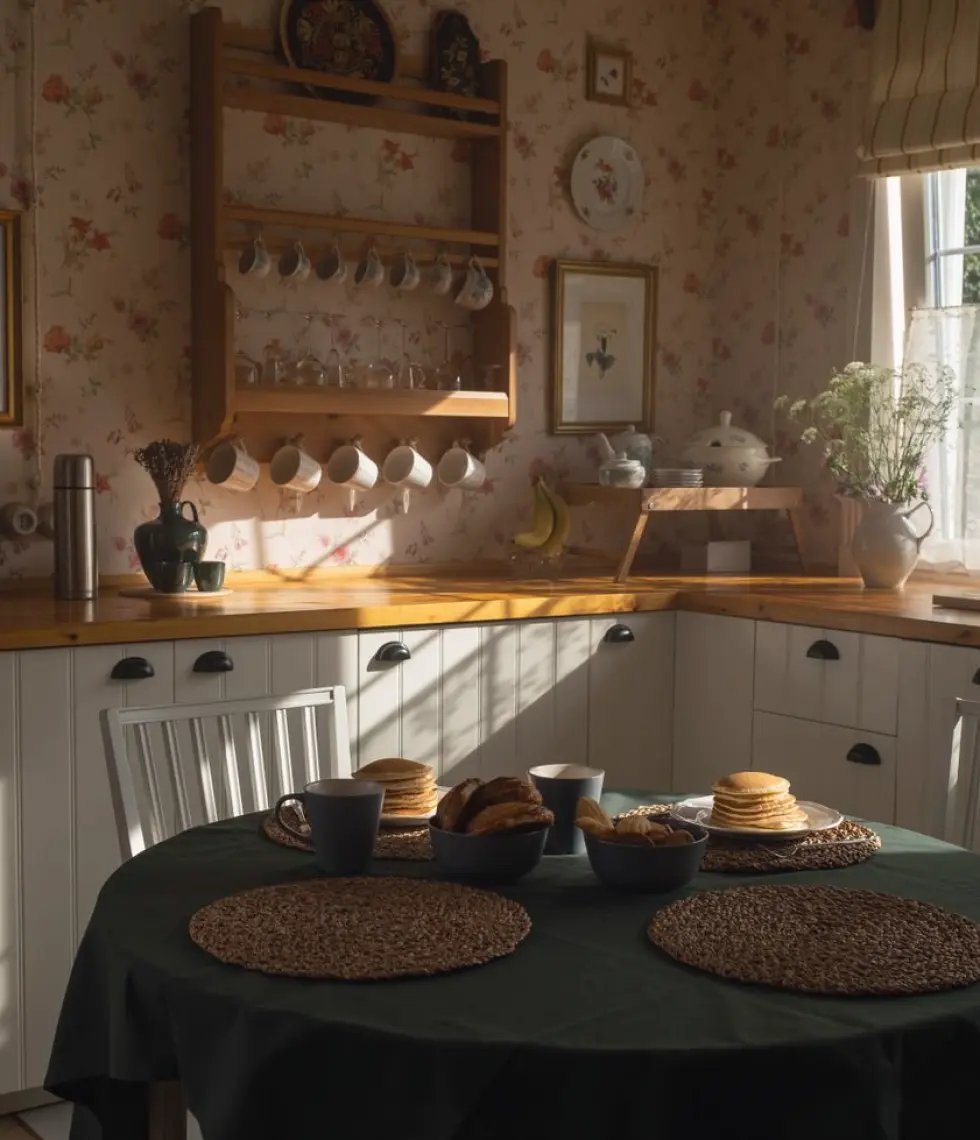
Why a quiet picture is not a cheap one
A photograph of a man pouring tea at a kitchen counter looks as though it took a second. The click did. Everything around it did not. Everyday Moments work depends on being in a room long enough that people stop performing, and that time is where most of the cost sits.
Readers often assume that a gentle subject means a light job. In my years editing picture sequences, I have found the opposite: loud events hand you pictures, while an ordinary Tuesday morning makes you wait for them. You arrive, put the camera down, drink the offered coffee and let the household forget you are there.
So when we talk about what this kind of work costs, we are really talking about hours of presence, not hours of shutter. The rest of this piece walks through what makes those hours add up, and where a client can sensibly keep the total modest.
The visit itself: hours, not frames
The largest line in any estimate is the time spent in the home, on the porch or along the commute. A first visit is mostly conversation and watching, and it rarely produces the strongest frames. The second and third visits do, because the people have relaxed and you know where the light falls at eight in the morning.
A single short visit can work for a simple subject, such as one porch at a known hour. A household routine that unfolds across a day, from breakfast to the walk to the bus, needs more than one stretch of attention. Every extra visit adds time on location and travel, and both are counted.
Mid autumn is a good example of how the calendar matters. Daylight now shortens early, so a kitchen that glowed at four in the afternoon in July may be dim by half past three. Planning around that window costs nothing, but ignoring it costs a return trip.
- Number of separate visits
- Length of each visit
- Travel to and from the location
- Whether the routine spans a full day
Travel, light and the season
Distance is an honest driver of price. A front porch in Kitchener and a fishing-town kitchen several hours away are not the same job, even if the finished pictures look alike. Fuel, time on the road and sometimes a night away all belong in the figure, and a fair estimate lists them separately so you can see them.
Light is the quieter driver. Natural window light is the heart of this work, which means the schedule bends to the sun rather than the other way round. A grey week can push a visit back, and a photographer who will not fake the light with a flash is worth waiting for, though the waiting has to be planned into the booking.
In these autumn weeks the practical advice is to choose rooms with large east or south windows and to book earlier in the day. That one decision often saves a second visit, and a second visit is the single most common way a modest job becomes an expensive one.
Editing, selection and captions
After the visit comes the part nobody sees. A morning in a kitchen can produce several hundred frames, and choosing the six that belong together is slow, careful work. It is closer to editing a short text than to sorting snapshots, because each picture has to earn its place beside the next.
Then come the adjustments to tone and crop, kept restrained so the room still looks like the room. Captions follow, and they take longer than people expect. A good caption says what we are looking at and why it matters, without telling the reader how to feel, and it needs to be checked with the people pictured.
When a client asks for a larger set, most of the added cost lands here rather than on location. Ten finished pictures are not twice the work of five; they are often more, since the sequence has to hold together and every extra frame changes what its neighbours mean.
- Culling hundreds of frames to a handful
- Tone and crop adjustments
- Captions checked with the people shown
Permission, trust and the people in the frame
Ordinary rooms are private rooms, and that shapes the price in ways a rate card does not show. Before anyone is photographed at home, there is a conversation about what will be shown, who may appear and how the pictures will be used. Children, neighbours and visitors each need a clear answer.
That conversation is not a formality. It is what lets people stay natural once the camera comes out, and it protects them afterwards. If someone changes their mind about a picture, the work stops and the frame is set aside, which occasionally means extra selection or a short return visit.
We would rather spend time here than save it. Pictures made without that trust tend to look guarded, and a guarded kitchen photograph says very little about the life that goes on in it. Budgeting for this step is simply part of doing the work respectfully.
Where you can keep the cost down
A few choices genuinely lower the total without thinning the result. Pick one routine and one place rather than a whole household over a week. Offer the best hour of light and be flexible about the day. Limit the final set to what you will actually use, whether that is a framed print, a family album or a small group of pictures for a community newsletter.
Be wary of shortcuts that look thrifty. Trimming the visit to a single quick hour usually gives you posed, tidy pictures that miss what you wanted. Asking for every frame to be delivered unedited saves our time but leaves you with the culling, which most people find harder than they expected.
If you want a figure for your own situation, describe the room, the routine and the distance, and we will say plainly what it involves and what it would cost. Where it fits, our editors also offer paid story-planning sessions for those who would rather shape the idea first.
- One routine, one place
- Flexible about the day
- A smaller, deliberate final set
- Rooms with good natural window light
The price of an Everyday Moments photograph is mostly the price of patience: time in the room, the journey there, the slow selection afterwards and the care taken with the people pictured. None of it is hidden, and most of it can be planned. Describe what you would like to capture and we will tell you honestly what it takes, so the decision stays yours.