
Why this section exists
Everyday Moments is the quietest department in the magazine, and in these first weeks of publishing it has become the one readers write to us about most. The idea is simple. We photograph the places where ordinary routines happen: the kitchen table before anyone is properly awake, the bus shelter at the end of a shift, the front porch where a neighbour stops to talk for ten minutes and stays for an hour.
None of these scenes is dramatic, and that is the point. A community is held together far less by events than by repetition, by the small habits people perform without thinking about them. When a photograph slows down enough to show one of those habits, readers often recognise their own street in it, even if the picture was made hundreds of kilometres away.
I write about this section as a contributing writer, and I have spent a good part of my own career visiting small towns in Ontario and Quebec. What I notice every time is how much people undervalue their own mornings.
What we look for in a photograph
When the desk reviews pictures for this section, we ask a few plain questions. Is the light the light of that room, or has it been borrowed from somewhere else? Does the person in the frame look like they have forgotten the camera, or are they performing for it? Could we say, in one sentence, what routine this picture is about?
We are not looking for polish. A slightly soft frame of a kettle steaming beside a window can say more than a sharp, perfectly composed one. What matters is honest seeing: the photographer stayed long enough for the scene to settle, and the people in it agreed to be there.
Captions matter just as much. A good caption tells the reader where we are, what is happening and why it caught the photographer's attention, without telling them how to feel about it.
- Natural light from the actual room or street
- People at ease, not posed
- A routine we can name in one sentence
- Consent from everyone recognisable in the frame
The season we are in
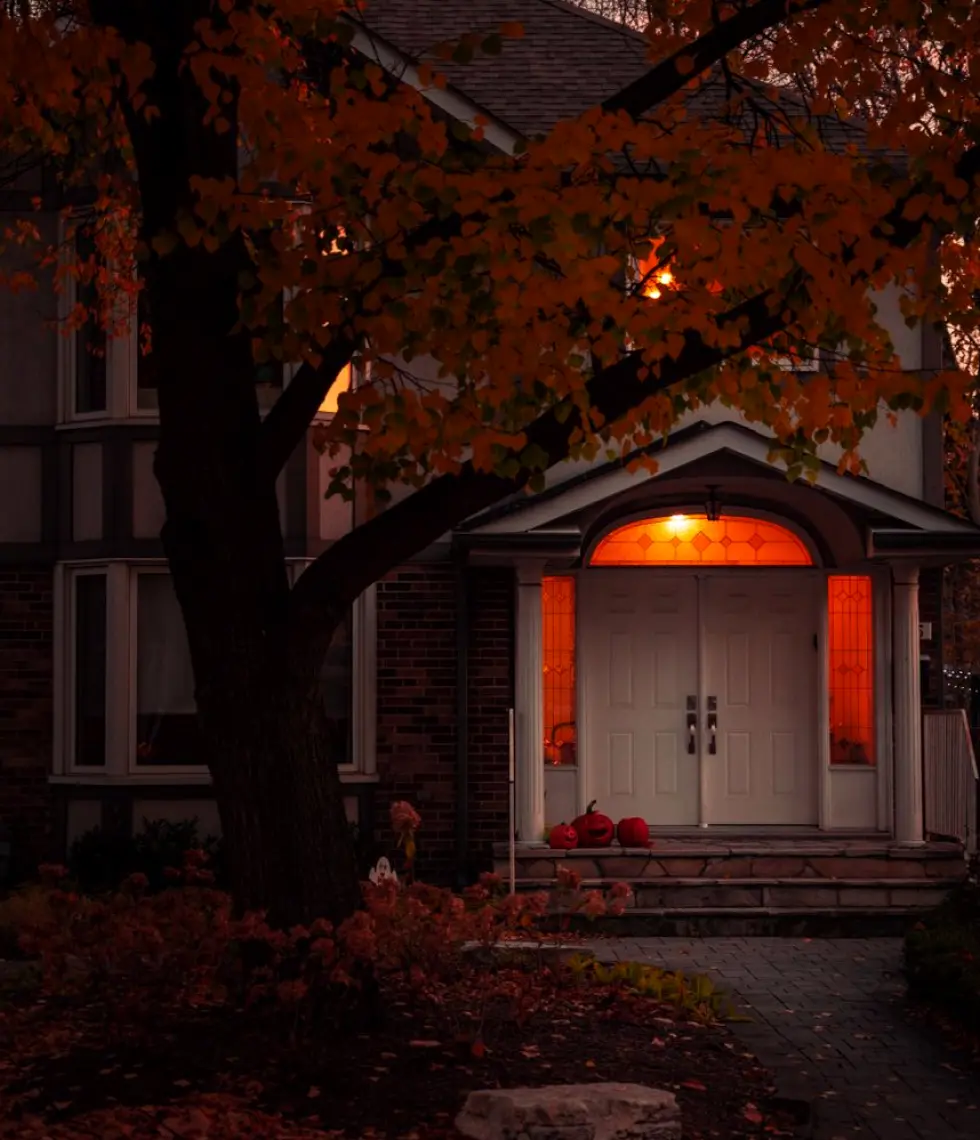
Mid autumn changes the texture of daily life across the country. Kitchens fill up again as people return to soups and baking. Commutes start and end in the dark for some readers, and porches that were social spaces all summer become places to pause with a coat on and a mug in hand.
We are paying particular attention to these shifts in the coming weeks. A porch with a stack of firewood, a school-run kitchen with wet boots by the door, a bus window fogged from the inside: these are the quiet markers of the turn toward winter, and they rarely get photographed because they seem too ordinary.
If you are a reader with a camera, this is a good moment to look at your own house and street. The light is low and warm in the late afternoon, and it makes familiar rooms look newly observed.
How readers can take part
The magazine has a contact page, and that is the way to reach the desk. If you have a short written memory of a kitchen, a commute or a porch from your own life, you can send it to us there. We read everything, and we answer in writing, though we cannot promise that a given piece will run.
For readers who want more structured help with their own pictures, the editors also offer paid portfolio reviews, portrait lessons and story-planning sessions. These are described on the Prices page, and they work by enquiry and invoice rather than anything on the site itself.
We would rather receive one considered paragraph and two good photographs than a long folder of everything. Tell us who is in the pictures, where and roughly when they were made, and whether those people know you are sharing them.
- Write to the desk through the contact page
- Include place, time of year and who appears
- Keep it to a few photographs you stand behind
A word on respect and privacy
Photographs of home life carry a particular responsibility. A kitchen is not a public space, and the people in it have trusted the photographer with something private. In this section we keep to a simple standard: anyone identifiable has agreed to appear, children are shown only with a parent's clear permission, and we are glad to leave out an address or a street sign when someone asks.
That standard sometimes costs us a good picture. We accept the cost. The magazine's values are respect, patience and honest seeing, and in Everyday Moments those three words are not decoration; they decide what we publish and what we leave in the drawer.
Every interview and first-person account in the magazine comes from real people, and we ask each of them to review how their words and image will appear. Our photographs of daily life are held to the same plain honesty.
What comes next for the section
Everyday Moments will keep doing what it has done since the first issue: looking closely at unremarkable places and letting them speak. We will keep the pieces short, the captions careful and the pace unhurried, because that is the tone the subject asks for.
I will keep contributing as well, mostly short written portraits of porches, back steps and kitchens I have been welcomed into. Daniel, our staff photographer, continues his long, patient neighbourhood visits, and the images from those visits shape much of what you see here.
If there is one thing I would ask of readers this autumn, it is to look twice at the room where your day begins. It is probably more photogenic, and more meaningful, than you think.
Ordinary routines are easy to overlook precisely because they are reliable. This autumn, Everyday Moments asks writers, photographers and readers to notice them anyway: the kettle, the commute, the porch light left on. If you have something to share, the desk is open, and we will read it with the same patience we try to bring to every picture.