
Why readers ask about cost at all
When I talk with readers who admire a People & Places story, the question that comes up second, after how we found the subject, is what a piece like that costs to make. It is a fair question. A portrait of a main street, a laundromat or a curling rink looks effortless on the page: a few photographs, a few hundred words, a caption or two. Nothing in the finished piece shows the hours behind it.
I write this as the magazine's interviews editor, so I see the process from the conversation side. Costs in this rubric do not come from equipment or fancy production. They come mostly from time, and from the slow work of being welcome in a place. Understanding that explains why we publish fewer of these stories than we might, and why we refuse to rush any of them.
Time on the ground is the largest line
The single biggest driver is the number of visits. A street or a public space has a daily rhythm: the bakery opens before dawn, the school crossing fills at three, the benches by the library belong to different people in the morning and the evening. One afternoon gives you a postcard. Three or four visits at different hours give you a place.
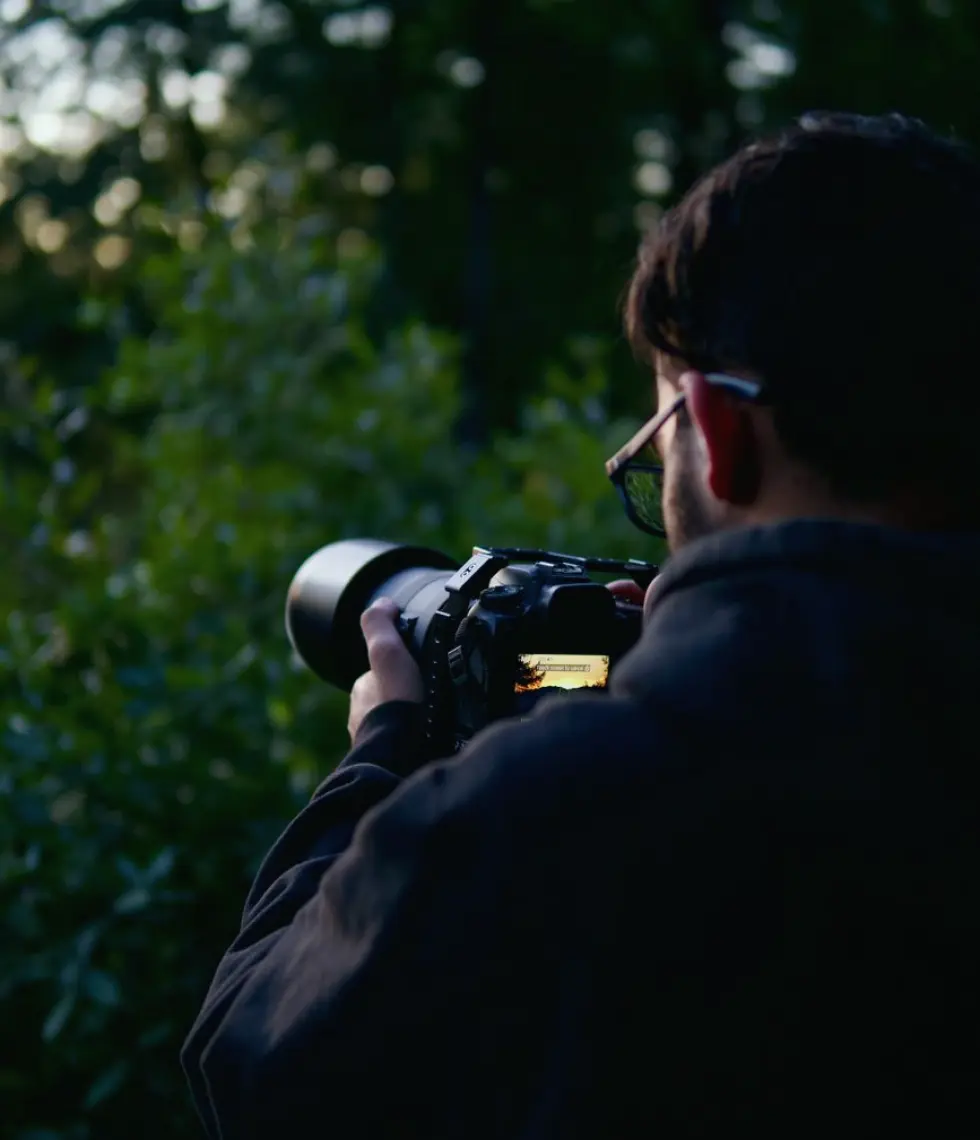
Each visit costs a photographer's day, plus travel, and travel across Ontario and Quebec is rarely short. Daniel Okafor tends to return to the same corner several times in different light, and he spends the first half hour of most visits simply standing around, so that people stop noticing the camera. That patience cannot be compressed without losing the very thing readers come for.
- Number of visits at different hours
- Distance travelled to reach the town or block
- Weather days that produce nothing usable
Trust, permissions and the people in the frame
The second driver is less visible. Before a resident appears in a portrait, someone has to explain what the magazine is, what the picture is for and where it will be seen. Often that means a conversation over coffee, a second conversation with a family member, and sometimes a decision not to use a photograph that was technically good.
We would rather lose a strong image than publish one a neighbour is uneasy about. This costs time and occasionally a whole afternoon's work, but it is what lets us return to a town later and be greeted instead of avoided. Respect is one of our stated values, and in this rubric it has a measurable price: the hours spent asking, listening and sometimes setting a picture aside.
Editing, sequencing and captions
Back at the desk, the work changes shape but does not shrink. A visit may produce several hundred frames, and a published story might use eight. Margaret Olsen reads the whole set, arranges the pictures so that a reader moves through the place the way a visitor would, and decides what each image needs to say and what it should leave alone.
Captions take longer than people expect. A good one names what is visible, adds one fact the picture cannot show and does not tell the reader how to feel. We check every detail with the person pictured. This stage involves two or three editors and several rounds, and it is where a story either becomes clear or stays merely pretty.
- Selecting a handful of frames from hundreds
- Sequencing so the place unfolds in order
- Checking each caption detail with the people shown
What does not drive the price
Several things people assume are expensive barely register. Our cameras are ordinary working tools, and we do not hire locations, models or lighting crews, because everything we photograph is simply there. We do not stage scenes. Nobody is paid to appear natural, which is precisely why the pictures look the way they do.
What we also avoid is padding. A story does not grow longer to justify its effort; it is as long as the place deserves. Size, polish and spectacle have almost nothing to do with the effort involved. A quiet portrait of a corner shop open since early morning can take longer to earn than a busy festival, because the quiet takes longer to see.
If you want a story like this for your own street
Some readers write to ask whether we can help them document their own neighbourhood. Our Reader Services offer story-planning sessions with our editors, arranged by enquiry and invoiced by bank transfer, and the Prices page sets out what each session includes and what it costs in Canadian dollars. They help you decide what to photograph and how often to return.
The principle from this article applies there too. What you pay for is attention: an editor's time spent working out which three places matter, who to ask first and how to approach them. Plan for several visits rather than one, and for the quiet hours of asking permission before the camera comes out.
A People & Places story costs what it does because it is made slowly: repeated visits, careful permission, patient editing and captions checked with the people in them. None of that shows in the finished photographs, and it is not meant to. If a street or a corner shop feels easy to look at, that ease was earned over many mornings. We think a place deserves that much attention before it is shown to anyone else.