
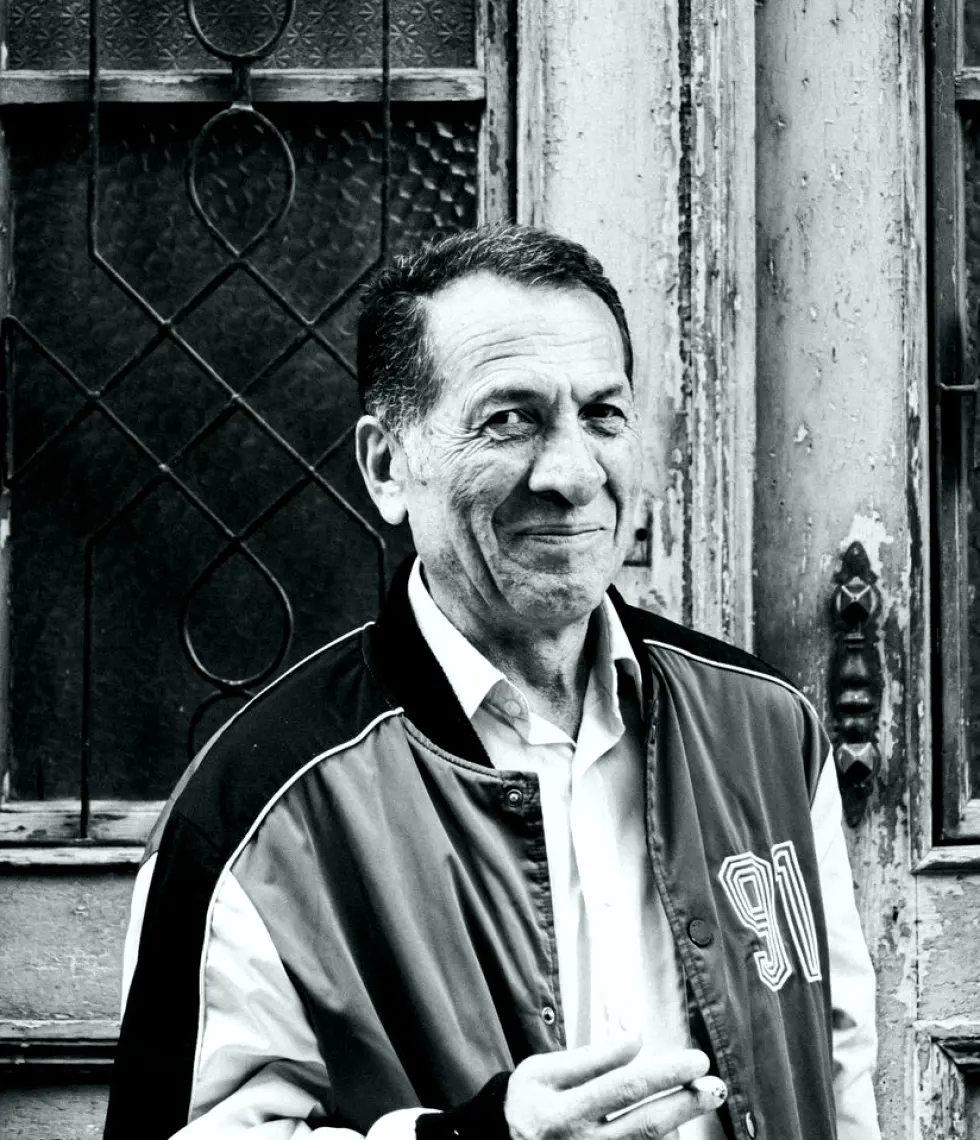
Two ways to light a stranger's kitchen
Most documentary portraits begin the same way: you stand in someone's front hall or workshop, the light is not what you would have chosen, and you have perhaps twenty minutes of goodwill. The two honest options are to work with whatever light the room already has, or to bring one small flash and shape it. I have done both for years, mostly for place profiles in small towns, and I keep returning to the same question: which choice leaves the person looking most like themselves?
This piece compares the two directly, without pretending either is a universal answer. Through the Lens has spent its earlier parts on how photographers read light and how they earn trust. Here the focus is narrower and more practical, a decision you make at the door, with a camera bag at your feet and someone waiting to see what you intend to do in their home.
What natural light gives you, and takes away
Available light is quiet. A window, a doorway or an overcast yard asks nothing of the subject, and people relax faster when nothing pops or flashes. Skin tones stay believable, the room keeps its mood, and the picture carries the feeling of an ordinary afternoon. In mid autumn the low sun is especially kind, and a north-facing window can give a soft, directional glow that needs no help at all.
The cost is control. Clouds move, a kitchen turns dim while you are mid-conversation, and shutter speeds drop to the point where a gesture blurs. You end up pushing the sensitivity of the sensor, and the grain that follows is not always the pleasant kind. You also depend on the room: a basement workshop with one bare bulb will not give you a portrait, only a record of a bulb.
- Quiet, fast to start, and easy on nervous subjects
- Mood of the room stays intact
- Weak in dim rooms and shifting weather
What a single small flash changes
One flash, bounced off a ceiling or fired through a plain white panel, can rescue a portrait the room would otherwise ruin. It lets you hold the same exposure from the first frame to the last, freezes a laugh, and lifts a face out of a dark corner without flattening the whole scene. Used with restraint, it can be hard to detect in the finished picture.
The trouble is that restraint is difficult. Direct flash flattens and shines, and even a good bounce changes the temperature of a room. More important, the equipment announces itself. A stand, a cable and a test pop tell the person that something is being produced, and that shift can stiffen a posture you spent half an hour loosening. I have watched a relaxed baker become a formal sitter the moment the first pop went off.
- Steady exposure and sharper moments
- Can lift a face out of a dark corner
- Equipment makes people more self-conscious
A fair test: the same room, both ways
Before settling on a habit, I made a point of photographing one subject both ways in a single visit. The setting was a retired upholsterer's workroom, with a window on one side and shelves of fabric on the other. I shot a dozen frames by the window alone, then a dozen with a bounced flash aimed at the pale wall behind me, keeping the same position and the same lens throughout.
The window frames were quieter and truer to the room, but several had a softness that came from slow shutter speeds. The flash frames were crisper and the eyes held more detail, yet the warm tone of the fabric turned slightly cold. When I showed both to the subject, he chose the window pictures without hesitation, saying they looked like his shop. That reaction, more than any technical measure, shaped my recommendation.
When flash is the better choice
Flash earns its place in a few specific situations, and it is worth naming them so the choice does not become a matter of taste alone. A windowless corridor, a church hall in the evening, a market stall under mixed fluorescent tubes: in these places available light is not merely weak, it is unflattering and inconsistent, and a bounced flash brings order to the scene.
The rule I follow is to let the room decide first. If the light there can carry a face, I leave the flash in the bag. If it cannot, I use one unit, bounce it, lower its power until the effect is barely noticeable, and tell the person plainly what I am doing and why. Explaining the equipment takes a minute and removes most of the tension it would otherwise create.
- Windowless or mixed-light interiors
- Evening events and crowded halls
- Any case where a face would otherwise fall into shadow
My recommendation for most assignments
For the kind of work this magazine publishes, patient visits in ordinary homes and workplaces, I recommend starting with natural light and treating flash as a rescue tool, not a default. The reasoning is simple. The relationship with the subject is the real material of a documentary portrait, and anything that slows that relationship or makes it more formal costs more than a little grain ever will.
That does not mean working blind. Arrive early, walk the rooms, note where the window light falls and when, and plan your visit around it. Ask whether a table can move closer to the glass. If a flash is needed, keep it small, bounce it, and introduce it only after the person has stopped thinking about the camera. A slightly imperfect frame of someone at ease is worth more than a flawless one of someone posed.
Neither option wins every time, but the order of operations matters. Read the room, move the person toward the light before you move the light toward the person, and keep a small flash for the places where the room offers nothing. In these autumn weeks, when the sun sits low and the windows do generous work, you may find the flash stays in the bag more often than you expected.