
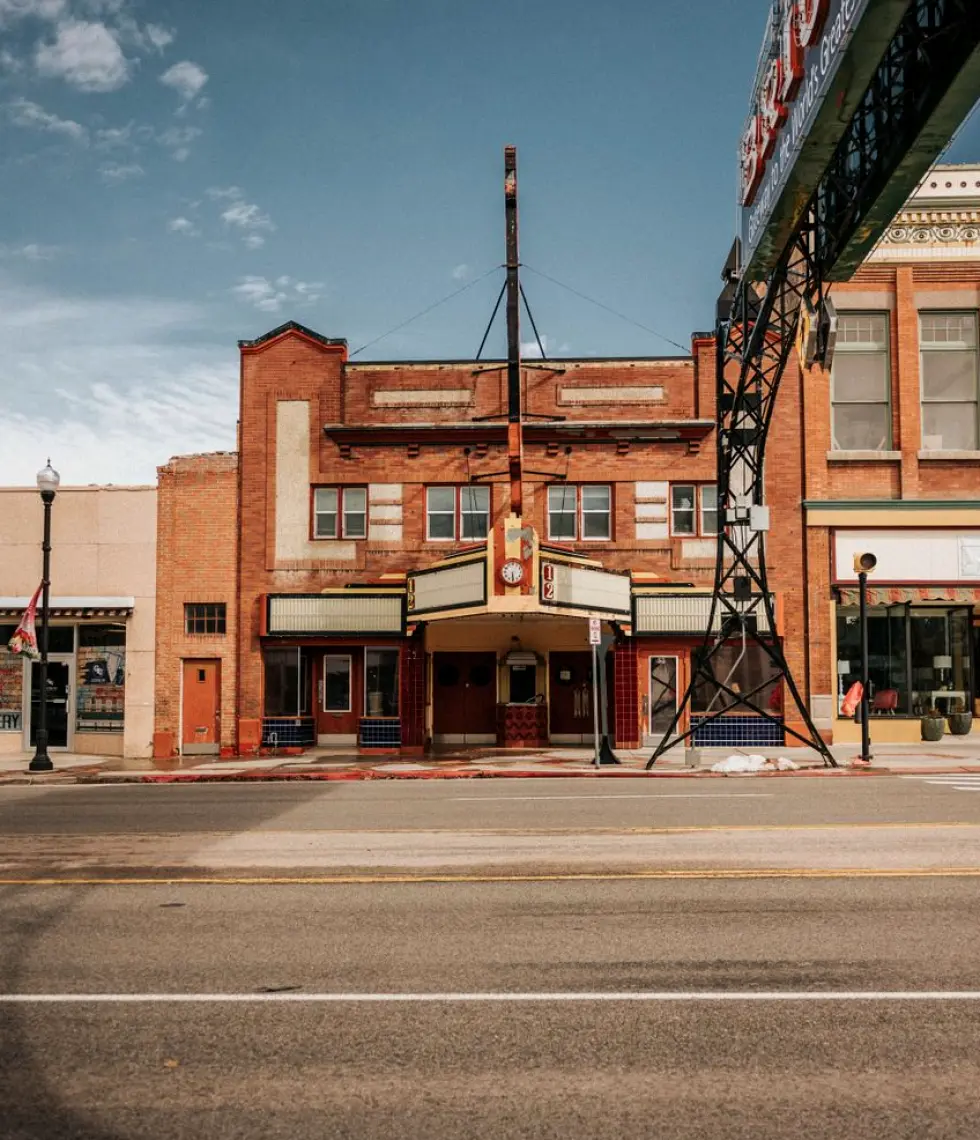
Choosing a place before choosing a picture
Every People & Places piece begins with a question about a place rather than a list of shots. Where do people actually gather on an ordinary Tuesday? A hardware counter, a bus shelter, a church basement, the bench outside a bakery. We read what we can about the town, but mostly we ask the people who already live there which corners keep the neighbourhood running.
Daniel Okafor and I then agree on a modest scope. One street, one block or one shared building is plenty. A piece that tries to describe a whole town usually ends up describing nothing, because the reader never gets close enough to anyone. We would rather give a single laneway three pages than a whole county one.
This mid-autumn stretch is a good example of why timing matters. Low sun, early dusk and leaves on the pavement change how a place looks and when its people are outside, so we plan visits around those hours.
- Pick one street, block or building
- Ask residents which corners matter
- Plan visits around the season's light
The introduction comes before the camera
We almost never arrive cold. A first conversation usually happens through someone local, a librarian, a shop owner, a volunteer who runs the community hall, who can say plainly who we are and what we want. That introduction does more for trust than any explanation we could give on the doorstep.
On the first visit the camera often stays in the bag. We walk, we buy coffee, we listen. People ask what the magazine is, who will see the photographs and whether they will be shown a draft. We answer honestly, and where someone prefers not to be photographed, that ends the conversation without awkwardness.
Daniel tends to say that the first hour is for being a neighbour and the second is for being a photographer. It is a slow way to work, and it limits how many places we can cover, but the portraits that come out of it look like people who were not startled.
Long visits, short kit
Our equipment is deliberately small: one camera body, one or two lenses, a notebook. A large bag makes people self-conscious and makes the photographer slower. Daniel works in natural light almost entirely, moving to a doorway or a window when the room is dim rather than reaching for a flash.
We return to the same place several times, often on different days of the week. The bakery at six in the morning and the same bakery at closing time are two different rooms. Repeat visits also mean that by the third day nobody looks up when the shutter clicks, and that is when the unguarded frames appear.
Each visit ends with notes written the same evening: names spelled as the person spelled them, what the street sounded like, which story someone told while waiting for the kettle. Those notes become captions later, and they are far more reliable than memory.
- One camera, one or two lenses
- Natural light first, indoors by a window
- Notes written the same evening
Letting people be seen on their own terms
A portrait of someone at work is a small agreement. We tell people what frame we are aiming for, show them the back of the camera if they want to look, and stop when they say so. Several of our favourite frames came from the pauses between posed ones, when a shopkeeper went back to stocking shelves and forgot we were there.
Captions are part of that respect. We ask each person how they would like to be named and what they do, and we read their caption back to them. If a detail is wrong or feels too exposed, we change it. A caption that makes a neighbour wince at the grocery store has failed, however good the picture is.
None of this is complicated, but it takes time, and time is the real cost of the work. Good will built over a week of ordinary visits is easy to spend in a single careless photograph.
Building the sequence at the editing table
After the visits we may have several hundred frames from a single street. I print a good portion of them small and lay them across a long table. Seeing them physically side by side shows rhythm in a way a screen does not: where the piece breathes, where two pictures say the same thing, where a wide view is missing.
The sequence usually opens on the place itself, then moves toward faces, then back out again. We try to put a quiet frame next to a busy one so the reader gets a rest. Many strong pictures are cut because they repeat a point already made, and that is a hard but necessary decision.
Then comes the captioning pass with Daniel, checking every name and detail against his notes. Only after that does the layout begin, with the pictures already in an order that works on paper.
- Print small, lay frames on a long table
- Open on the place, then faces, then step back
- Cut frames that repeat a point
What we leave out, and why it matters
A People & Places story is defined as much by omission as inclusion. We leave out the postcard view everyone already knows, the picturesque ruin, the decorative sunset. If a frame looks like a tourism brochure, it rarely tells the reader anything about who lives there.
We also leave out anything that would put a person in an uncomfortable light for the sake of drama. Small towns are small; people will meet the photographer's choices at the post office. That awareness shapes what we keep.
What remains is a modest, specific record: a particular street in a particular season, seen by people who took the time to stay. It will not explain a whole community, and it is not meant to. It asks the reader to look a little longer at a place they might otherwise pass through.
The work behind a People & Places piece is mostly patience: choosing one small place, being introduced properly, visiting more than once, and editing with the people in mind. None of it is hidden craft, only unhurried habits. If you read one of our street portraits this autumn, look for the quiet frames between the busy ones. That is usually where the hours were spent.