
Why autumn suits long conversations
By mid autumn the garden work is done, the harvest suppers are over and people are back indoors. In my experience that is when neighbours have time to talk. A woman who runs the church kitchen all summer will happily sit for two hours in November. The pace of the season slows, and so does the pace of an interview.
I am a photographer first, so I come to Community Voices from the side of the picture. But I have sat beside Priya Nair on enough visits to see that the best interviews begin well before the recorder is switched on. They begin with a pot of tea, a comfortable chair and a clear sense that nobody is in a hurry.
This article looks ahead to the coming months and offers practical advice for anyone gathering a neighbour's story: how to prepare, where to sit, how to handle the early dusk and how to leave the person feeling respected rather than examined.
Choosing the room and the hour
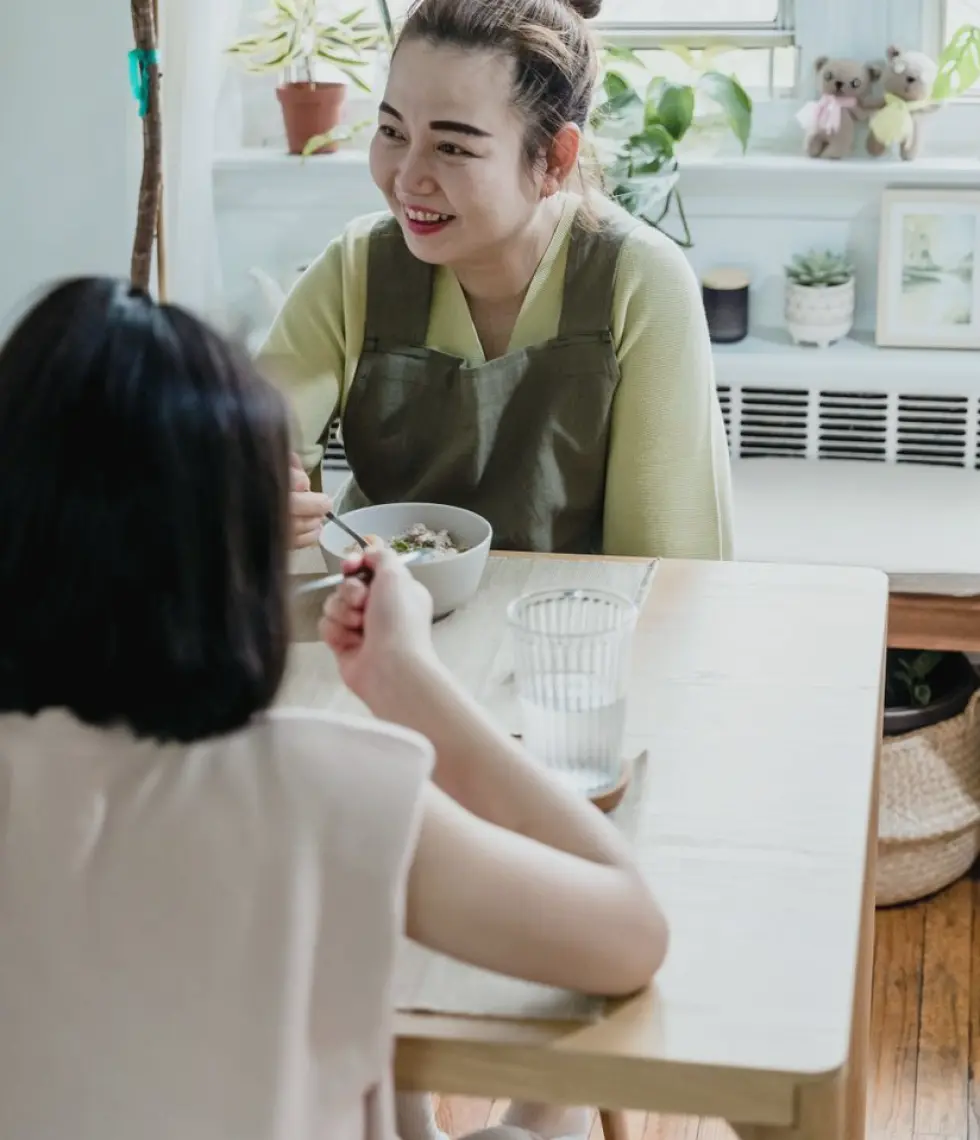
Where you talk shapes what gets said. A formal room makes for formal answers. A kitchen, a porch with a blanket, or a corner of the community hall after the afternoon programme tends to produce looser, warmer talk. Ask your guest where they feel most at home and go there, even if the light is poor.
Autumn light moves fast. Between October and December the usable daylight shrinks by the week, so I schedule visits for early afternoon, when a window still gives a soft, even glow. If the talk runs past four o'clock, I switch on one lamp rather than the overhead light and let the room darken gently around us.
Keep the setting uncluttered but lived in. Move a stack of mail if it blocks the table, but leave the photographs on the fridge. Those small things often become the first question you ask.
- Pick the room your guest uses most
- Book the visit for early afternoon
- Prefer one warm lamp to harsh overhead light
Preparing questions without scripting the answers
Write down a short list of openings, then be ready to abandon it. Good first questions are plain ones: what does a normal morning look like, who taught you to do this, what has changed on your street. They invite stories, not summaries, and they are easy to answer without feeling put on the spot.
Autumn gives you natural subjects. Ask about preparing for winter, the first snow, a tradition that returns each year, the work of getting a hall or a garden ready for the cold. People remember seasons in their hands and kitchens, and those memories carry detail that a general question never reaches.
Share your list with the guest beforehand if they ask. Nobody should walk into a long conversation unsure of its subject. Tell them they can skip any question and take back any sentence they regret, and then keep that promise.
Working with the early dusk
The shortening days affect the photographs as much as the talk. I keep to natural light as long as it lasts and take portraits first, while the window still does the work. Once the sun drops, I put the camera down and let the conversation continue without it.
A portrait taken at the end of a long talk is often the most honest one, because the guest has stopped performing. If the light is nearly gone, I ask permission to take one more frame by a lamp, explain what I am doing and show the result on the screen. Most people relax when they can see what I see.
Dress warmly and bring a thermos. Porches and unheated halls are cold in late autumn, and a shivering guest cannot speak freely. Offer a blanket, close the draught, and let the setting carry some of the care you owe the person.
- Take portraits early, talk later
- Show the guest the frame you took
- Bring warm layers and something hot to drink
Keeping the words their own
When you transcribe, resist tidying. A pause, a half-finished sentence or a laugh in the wrong place often tells you more than the sentence around it. Priya's rule at the desk is to cut for length but never to rewrite a person's voice, and I have taken that rule into my own notes.
Send the draft back to the guest before it is published. Give them time, especially in the busy weeks before the holidays, and make clear that changes are welcome. Interviews and first-person accounts on this site are always attributed plainly to the person who gave them, and a guest should know exactly how their words will appear.
Caption photographs with the same care. A caption should say who and where and what is happening, not announce what the viewer ought to feel.
Leaving well
The end of a visit matters as much as the start. Stay a few minutes after you stop recording, because that is often when the last true thing gets said. Thank the person for the time, not only for the story, and tell them honestly when and how they will hear from you again.
In the coming months, make a small habit of returning with a print or a page proof. A neighbour who sees themselves treated with patience will usually point you to another neighbour, and that is how a collection of voices grows: one kitchen table at a time, with the lamp on and the kettle warm.
Autumn gives us slower days, earlier lamps and people who are ready to sit and talk. The craft of Community Voices is mostly preparation and patience: a warm room, plain questions, honest light and a promise to keep the speaker's words their own. Do those things well, and the winter months become the best time of the year to listen.