
Start with a theme you can state in one sentence
A photo essay holds together because everything in it answers a single question. Before you pick up a camera or ask anyone for their time, try writing that question down in one plain sentence. 'How a town's only bakery keeps its early shift going through winter' is a theme. 'Small-town life' is a mood, and moods tend to produce twenty pleasant pictures that say nothing in particular.
When I read submissions as Interviews Editor, the stronger ones usually fail the sentence test in an interesting way: the writer can say what the essay is about, but only after a paragraph of qualifications. That is a sign the theme is two themes. Pick the narrower one and let the other wait for another essay.
If your sentence needs the word 'and' more than once, split it. If it could describe any town in the country, make it more local. If a stranger could not picture the first frame from it, keep working before you commit.
- Can the theme be said in one sentence without 'and'?
- Could you name the first and last picture already?
- Is it specific to one place, group or routine?
Ask whether the people involved have said yes, and meant it
Extended picture stories depend on repeated visits, and repeated visits depend on trust. A quick agreement at a doorway is not the same as a person understanding that you will be back for weeks, that you will photograph them tired as well as smiling, and that the pictures will be printed with their captions beside them.
Sit down with each person and say plainly what the essay is for, where it might appear and what you will and will not show. Offer to look at the selection with them before it goes anywhere. Some will decline once they hear the details, and that is a useful answer to get early rather than late.
Pay attention to who is not in the room. A workplace essay may need the owner's permission as well as the workers'. A family essay may involve children whose parents have agreed but who have not. Settle these questions before the first long visit, not after you have fifty frames you cannot use.
- Has each person heard how long you plan to be around?
- Do they know where the pictures may be shown?
- Have you offered them a look before anything is printed?
Count your time honestly
The most common reason a photo essay stalls is not a lack of skill but a lack of hours. A coherent story usually needs several visits at different times of day, and a few that produce almost nothing. Quiet visits are not wasted. They are how people stop performing for the camera and go back to what they were doing.
Write out how many visits you can really manage between now and the day you want to finish, then subtract a third for weather, illness and the ordinary rearranging of other people's lives. If what remains is two afternoons, you may be better served by a single strong portrait than a sequence that feels rushed.
Autumn adds its own limits. Light fades earlier and the best part of a day shortens, so a theme that depends on evening scenes or outdoor work needs a more generous calendar than it would in July.
- How many visits can you actually make?
- Does the theme depend on a season or a short window?
- Have you left room for visits that yield nothing?
Think about the sequence before you edit
Pictures that are strong alone can be weak together. An essay needs variety of distance and pace: a wide view that places us, a middle view that shows people working or talking, a close detail that we remember afterwards. Ten similar portraits, however good, tire a reader quickly.
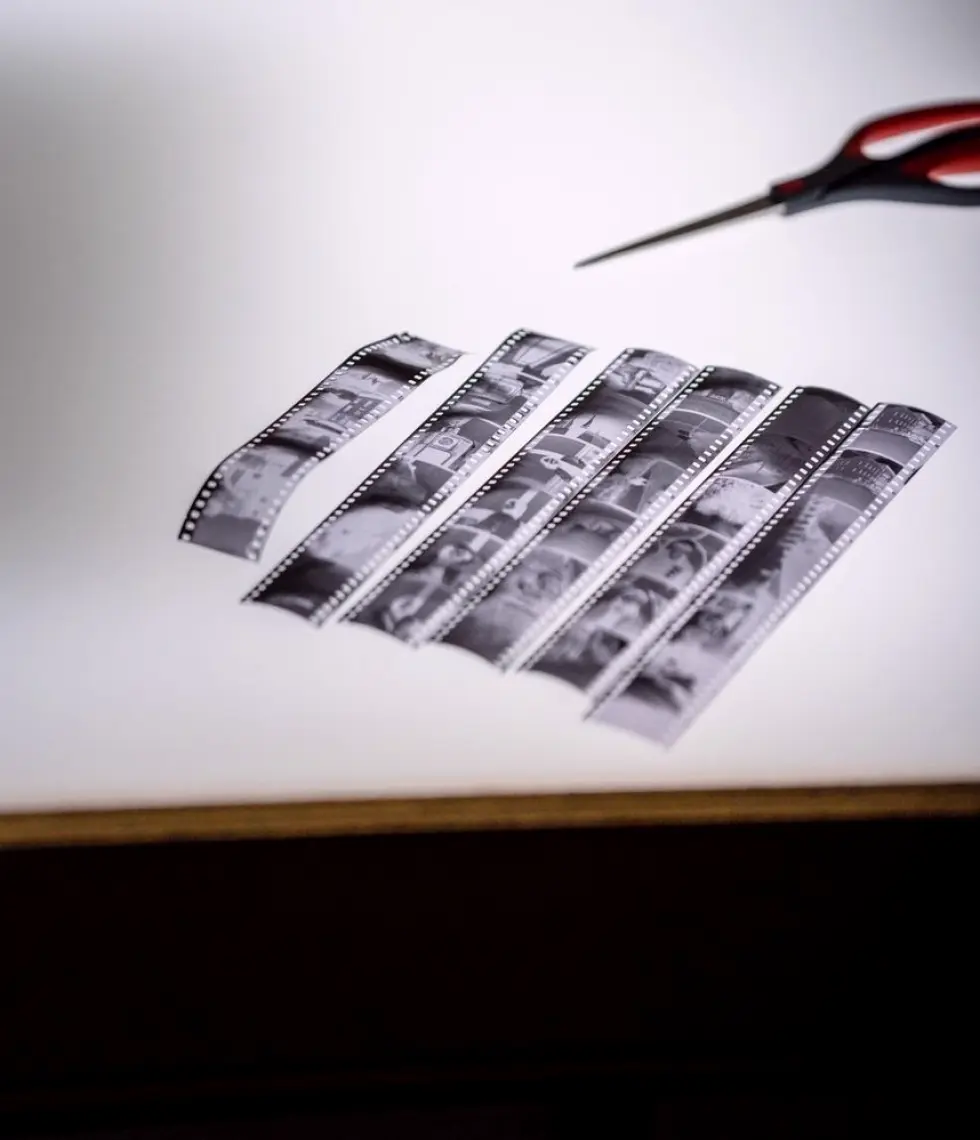
Lay prints or small proofs out on a table and move them around. Look for the picture that opens the story, the one that turns it, and the one that lets it end quietly. Margaret Olsen, our Editor-in-Chief, often says that the picture you love most is the one most likely to be in the wrong place.
Be ready to cut. A tight set of eight or ten frames will usually say more than thirty, because each remaining picture has to earn its position. If two images make the same point, keep the one with the better light or the more honest expression.
- Do you have wide, middle and close frames?
- Which picture opens and which closes?
- Are any two frames saying the same thing?
Plan the captions as part of the work
In a photo essay the caption is not decoration. It tells the reader what they are looking at, who is in it, and why the moment matters, and it can change how a frame is read. A caption that merely repeats what is visible wastes the space. One that adds the time of day, the task being done or a line the person said turns an image into a piece of the story.
Collect the facts for captions while you are on location, not afterwards. Names, spellings, what a tool is called, what the room is used for: these slip away quickly, and an error in a caption can embarrass the people you worked hardest to treat fairly.
Keep the tone plain and kind. Avoid guessing at how someone feels; describe what they are doing and let the picture carry the rest. If a person has asked not to be named, respect that fully and say nothing that could identify them by other means.
- Did you record names and spellings on the spot?
- Does each caption add something the picture cannot?
- Have you respected anyone who asked not to be named?
Decide what finished looks like
Some essays never end because the photographer keeps finding one more thing to add. Choose in advance what finished means: a number of frames, a length of text, a date by which the subjects will see the result. Having that decision made early protects you from drifting into a project that belongs to no one.
Think also about what you owe the people involved once it is done. A printed copy, a quiet thank-you, a note when the piece appears: these small returns matter more than any credit line, and they keep doors open for the next story.
Finally, ask whether you would be content if the essay were seen by only a handful of people. If the answer is yes, the work has its own reason to exist, and that is a firmer footing than any hope of an audience.
- Have you set a frame count and a finish point?
- What will you give back to the people photographed?
- Would the work still matter with a small audience?
A photo essay is worth starting when the theme fits in a sentence, the people involved have agreed with open eyes, and you have the hours to do it patiently. If most of the questions above came back as a yes, you are probably ready. If several came back as maybe, that is not a failure; it simply tells you what to settle first.