
A request that began with a kettle
Hana wrote to us in early autumn after a portfolio session with one of our editors. She did not want portraits. She wanted someone to look at the hour between seven and eight, when her household of four moves through a narrow kitchen in the Kitchener area, and she was not sure there was anything to see.
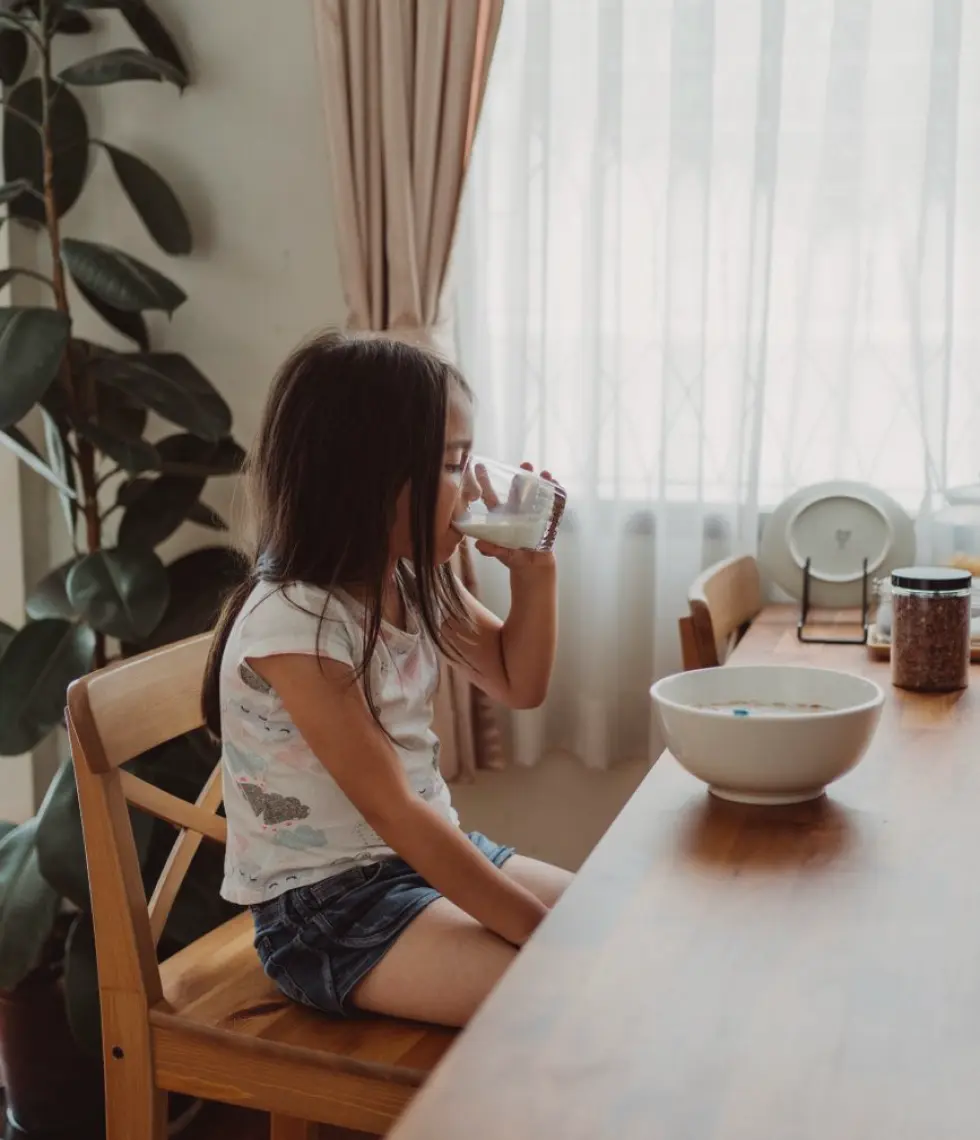
I said we would come for three mornings and bring nothing but a camera and patience. Hana laughed and put the kettle on. That was the first photograph I remembered afterwards: steam against a window, a blue mug waiting, a chair pulled out a few inches from the table.
The brief was small, and that suited the work. Everyday Moments has always started from the idea that a kitchen holds more of a community than a town square does, because everything that happens outdoors is first planned there.
What the first morning looked like
The first visit was mostly waiting. Daniel Okafor, who photographs for us, sat near the doorway and kept the camera in his lap for the opening twenty minutes. The family glanced at it, then stopped glancing. A child hunted for a missing shoe, a father read a delivery notice aloud, and Hana packed lunches in a rhythm she clearly did without thinking.
I joined for part of that morning to listen rather than to shoot. What struck me was how much of the room was shared labour. Nobody announced a task, yet every task had an owner. The toast belonged to the youngest, the radio to Hana's husband, the window latch to whoever noticed first.
By the end of the hour we had only a handful of frames worth keeping, and that was the right number.
- Arrive early and stay quiet for the first stretch
- Let the household settle before lifting the camera
- Note who does which small task without being asked
Light, and why we did not move the table
Hana apologised twice for the table. It sits against the wall under a window that gets weak, sideways light in mid autumn, and she offered to drag it toward the middle of the room. We asked her not to. The light was thin, but it was honest, and it fell across hands and cups in a way no arrangement of ours would have improved.
Daniel worked with that grey brightness for all three mornings. He kept to a single lens and a slow shutter speed, and he let the dark corners stay dark. A fridge covered in school notices, a calendar with half the squares crossed out, a coat hung on a chair back: these stayed in the frame because they were already there.
The lesson I took is an old one in our field. Resist the urge to tidy a scene into something that looks like a photograph, because the untidiness is usually the story.
The conversation that changed the sequence
On the second morning, between photographs, Hana told me why she had written to us. Her mother had lived in the same house for forty years and left no pictures of an ordinary day, only birthdays and holidays. Hana wanted her own children to have the plain mornings, the ones nobody thinks to record.
That changed how I approached the sequence. I had been looking for a strong opening frame and a clean ending. Hana's reason suggested something gentler: a run of pictures arranged by the clock, from the first light on the counter to the door closing behind the last person out.
We kept the captions short and factual, naming the object and the hour. A caption that explained too much would have turned her mother's absent photographs into our commentary.
- Ask why the household wants the pictures made
- Let the answer shape the order, not the other way round
- Keep captions to what can be seen and when
What we left out, and what the street saw
On the third morning a neighbour knocked to return a ladder, and stayed for coffee. We photographed the doorway handover, with Hana's permission, and then put the camera down for the visit itself. Some moments belong to the people in them, and part of earning a family's trust is showing that the camera can be switched off.
Several pictures were cut because a face was turned toward us rather than toward the room. Others went because they were handsome but could have been taken in any kitchen anywhere. We kept the ones that could only belong to this table, this window and this particular argument over the last slice of bread.
When Hana saw the final set, she pointed at the ladder photograph and said that was the street, not just the house. She was right, and the piece ran with that frame second.
What you can take to your own kitchen
You do not need a commission to try this. Choose one hour that repeats in your household, whether that is breakfast, the evening commute home or the stretch on the porch after supper, and photograph it on three separate days. The repetition matters more than any single image, because by the third day people stop performing and start living.
Use the light that is already there and resist switching on every lamp. Keep a note of the small habits you see, the ones everyone has stopped noticing. Write a short caption for each picture the same evening, while the detail is fresh, naming what is in the frame and roughly when.
If you would like a second pair of eyes on a set like this, our editors can look at it with you through a story-planning session or a portfolio review.
Hana's mornings were not remarkable, and that was the point. A kettle, a window, a ladder returned across a fence: these are the small structures that hold a street together. Photographing them takes more patience than skill, and more listening than lens. If a routine in your own home has gone unrecorded because it felt too ordinary, it may be the very thing worth keeping, for your family and for the neighbours who share your street.